carbonic acid
US /kɑ:rˌbɑ:nɪk ˈæsɪd/
・UK /kɑ:ˌbɒnɪk ˈæsɪd/
B2
n. (u.)Uncountable NounA weak acid resulting from the solution of carbon dioxide in water.
Carbonic acid is formed when carbon dioxide dissolves in water.
Video subtitles
How to Make a Seashell - Just Add Water!
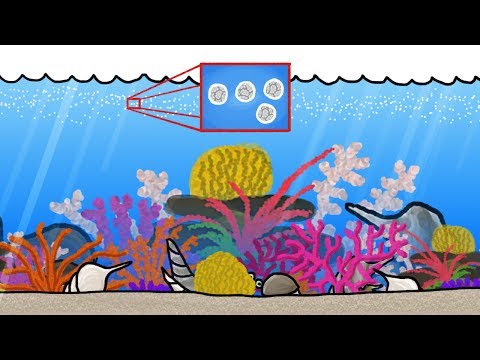
- but it's just the way the chemistry plays out: dissolved CO2 molecules combine with water to form what's called carbonic acid, which in turn combines with carbonate to form hydrogen carbonate.
but it's just the way the chemistry plays out: dissolved CO2 molecules combine with water to form what's called carbonic acid, which in turn combines with carbonate to form hydrogen carbonate.
- molecules combine with water to form what's called carbonic acid, which in turn combines
molecules combine with water to form what's called carbonic acid, which in turn combines
The Hydrologic and Carbon Cycles: Always Recycle! - Crash Course Ecology #8

- but as limestone deposits are eroded by water, the calcium carbonate is broken down to eventually form, among other things, carbon dioxide and carbonic acid.
but as limestone deposits are eroded by water, the calcium carbonate is broken down to eventually form, among other things, carbon dioxide and carbonic acid.
- among other things, carbon dioxide and carbonic acid.
among other things, carbon dioxide and carbonic acid.
Hyperphosphatemia causes, symptoms, diagnosis, treatment, pathology
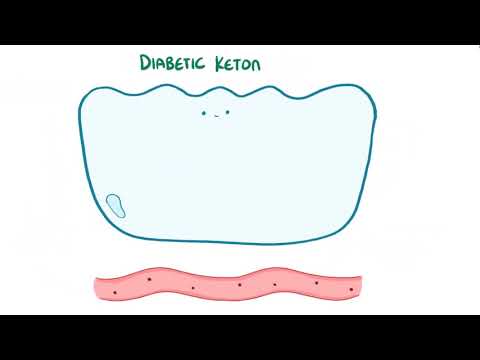
- That carbon dioxide can diffuse into a cell and react with water to form carbonic acid, which quickly breaks into a proton and bicarbonate.
That carbon dioxide can diffuse into a cell and react with water to form carbonic acid, which quickly breaks into a proton and bicarbonate.
- Another situation is when living cells get affected by respiratory acidosis, which is when the carbon dioxide levels rise because a person isn't breathing or ventilating it out of the lungs quickly enough that carbon dioxide can diffuse into a cell and react with water to form carbonic acid, which quickly breaks into a proton and bicarbonate.
Another situation is when living cells get affected by respiratory acidosis, which is when the carbon dioxide levels rise because a person isn't breathing or ventilating it out of the lungs quickly enough that carbon dioxide can diffuse into a cell and react with water to form carbonic acid, which quickly breaks into a proton and bicarbonate.
What Does Carbonated Water Do to Your Body?

- And when that CO2 dissolves in water, it creates carbonic acid.
And when that CO2 dissolves in water, it creates carbonic acid.
- These are both things the carbonic acid in bubbly water gets blamed for.
These are both things the carbonic acid in bubbly water gets blamed for.
The Choice is Ours (2016) Official Full Version

- CO2 is [a molecule] that dissolves in water and becomes carbonic acid
CO2 is [a molecule] that dissolves in water and becomes carbonic acid
Does Water Ever Expire?
- By being exposed to air, the water absorbs some CO2, and a tiny portion of that, about 0.13%, is converted into carbonic acid.
By being exposed to air, the water absorbs some CO2, and a tiny portion of that, about 0.13%, is converted into carbonic acid.
- Some carbonic acid will then lose a proton or two, forming bicarbonate or carbonate respectively.
Some carbonic acid will then lose a proton or two, forming bicarbonate or carbonate respectively.